What Is ADAS Calibration? A Practical Guide
• September 28, 2026
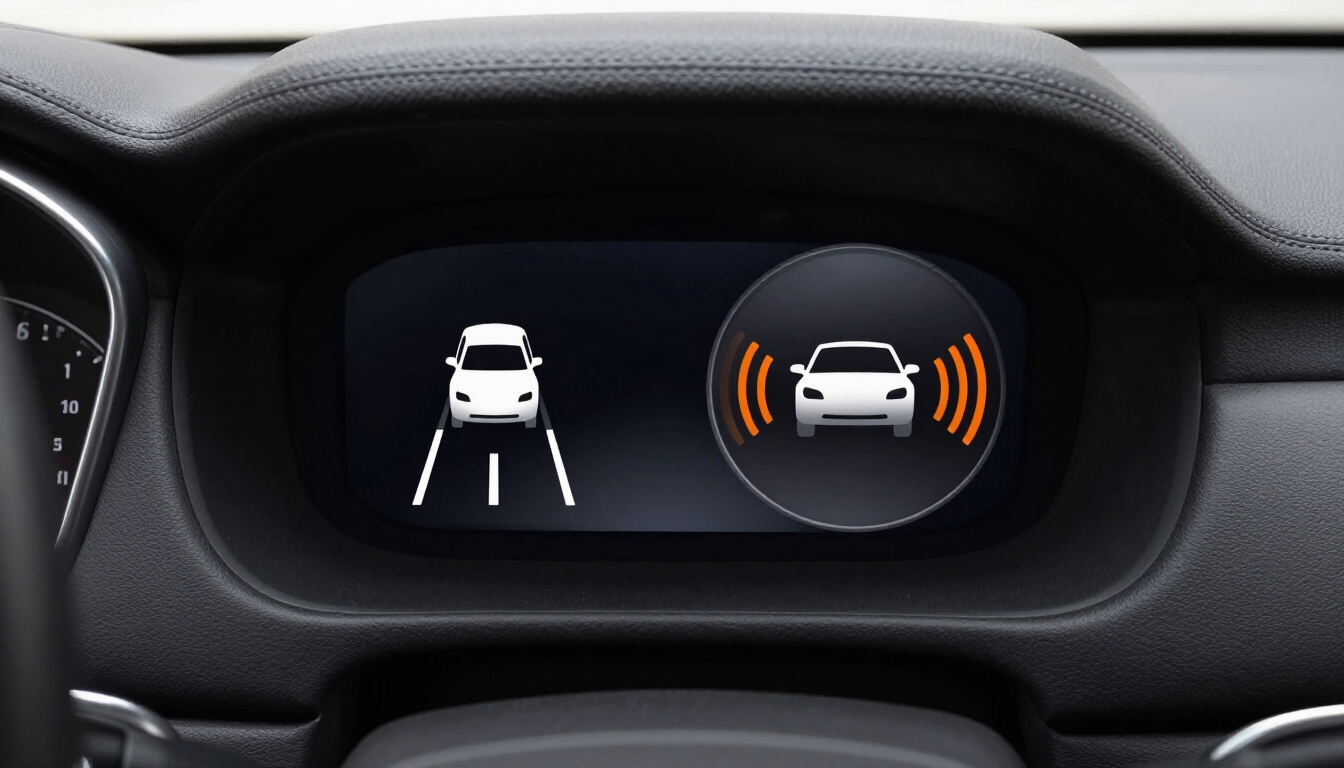
ADAS, or Advanced Driver Assistance Systems, use cameras, radar, and other sensors to help with braking, steering, lane position, and visibility. ADAS calibration resets these systems so they accurately detect vehicles, lanes, pedestrians, and obstacles. Your car may need calibration after windshield replacement, wheel alignment, collision, suspension work, or sensor repairs.
What Does ADAS Mean?
ADAS is a group of electronic safety systems designed to support the driver. Depending on the vehicle, these features may include:
- Automatic emergency braking
- Forward collision warning
- Adaptive cruise control
- Lane departure warning and lane keeping assist
- Blind-spot monitoring
- Rear cross-traffic alert
- Traffic sign recognition
- Parking sensors and surround-view cameras
These systems are not a substitute for an attentive driver. They depend on precise sensor information, correct vehicle measurements, and accurate software settings. Even a small change in camera or radar position can affect how the system responds.
For drivers with newer vehicles, ADAS service is an important part of maintaining the vehicle’s safety technology. Grove Street Auto Repair helps local drivers understand when electronic safety systems may require inspection or calibration as part of dependable auto repair services in Franklin, MA.
How Does ADAS Calibration Work?
ADAS calibration aligns a vehicle’s cameras, radar units, sensors, and control systems with the manufacturer’s specifications. The exact process depends on the make, model, system, and repair performed.
What Is Camera Calibration?
Cameras are commonly mounted behind the windshield near the rearview mirror. They may identify lane markings, vehicles, pedestrians, traffic signs, and road edges.
Camera calibration may involve:
- Scanning the vehicle for diagnostic trouble codes.
- Checking tire pressure, ride height, steering angle, and wheel alignment.
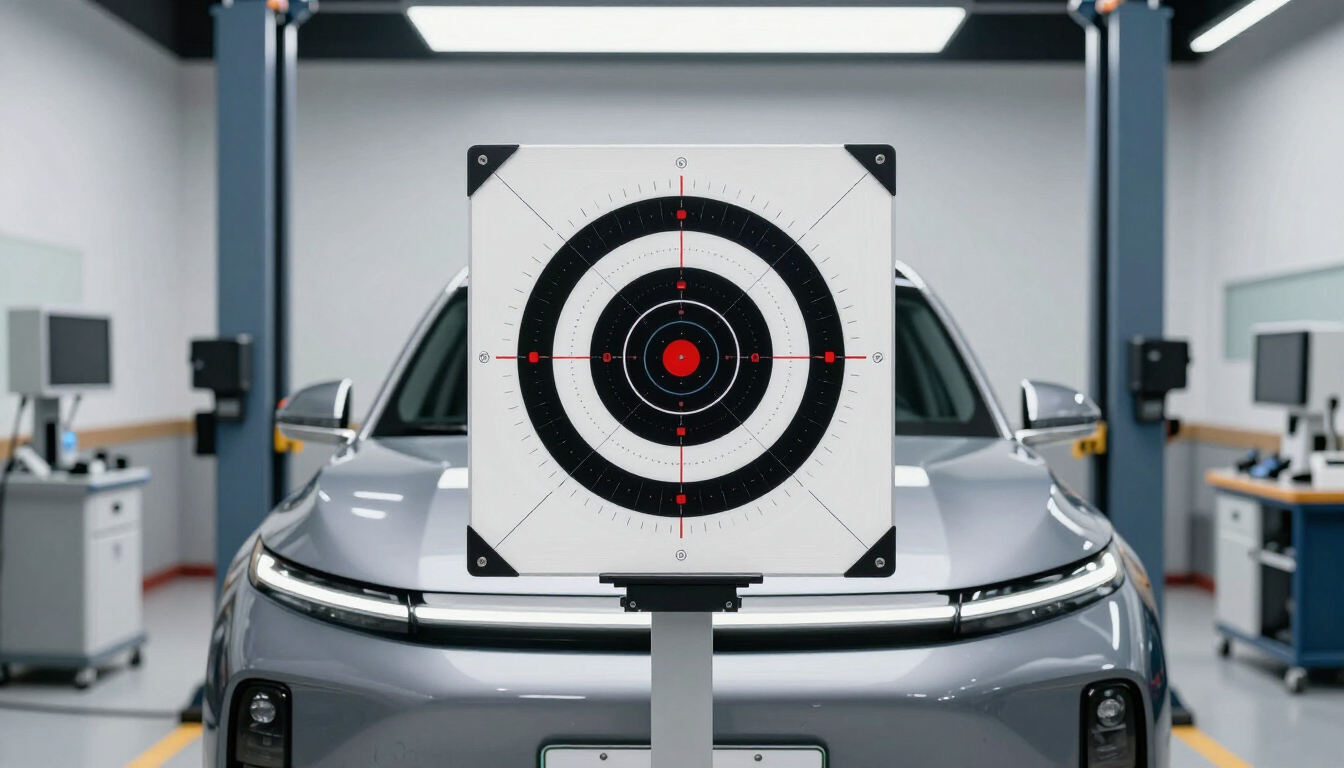
- Positioning a specialized target at a precise distance and height.
- Using a scan tool or calibration system to aim the camera.
- Completing a road test when the manufacturer requires dynamic calibration.
A camera can appear to be in the correct location while still viewing the road at the wrong angle. That is why calibration should follow the vehicle manufacturer’s procedure rather than relying only on a dashboard reset.
What Is Radar Calibration?
Radar sensors often sit behind the front grille, bumper, or emblem. They measure the distance and speed of objects ahead of the vehicle. Adaptive cruise control and automatic emergency braking frequently rely on radar.
Radar calibration may include a diagnostic scan, a physical alignment check, a target setup, and a controlled road test. A minor bumper impact, incorrect ride height, or improperly installed grille component can change the sensor’s aim.
When Does a Car Need ADAS Calibration?
A vehicle may need ADAS calibration whenever a repair changes the position, angle, height, or operating conditions of a camera, radar unit, suspension component, wheel, bumper, or windshield.
After Windshield Replacement
Many newer vehicles have a forward-facing camera attached to or positioned behind the windshield. Replacing the glass can change the camera’s relationship to the road, even when the replacement looks identical.
Ask whether calibration is required after windshield replacement, especially if your vehicle has lane keeping assist, forward collision warning, or automatic emergency braking. The answer depends on the manufacturer and camera design.
A calibration warning may appear as:
- “Front camera unavailable”
- “Driver assistance system limited”
- “Calibration required”
- “Lane assist unavailable”
- “Automatic braking unavailable”
A warning does not always mean the system is damaged. It can mean the vehicle needs a prescribed calibration procedure before the feature can operate correctly.
After Wheel Alignment
Wheel alignment changes the direction and geometry of the vehicle. If the steering wheel is off-center or the wheels do not point according to specification, driver assistance features may interpret the road incorrectly.
Some vehicles require ADAS calibration after an alignment. Others use steering-angle resets or a road test as part of the process. A qualified technician should check the manufacturer’s requirements rather than assuming every alignment has the same procedure.
Grove Street Auto Repair can evaluate related steering, suspension, tire, and alignment concerns. Learn more about available tire services if uneven wear or handling changes are part of the problem.
Why Can Collision Repairs Affect ADAS?
A collision does not need to look severe to affect a camera or radar sensor. A low-speed impact can shift a bumper bracket, grille, emblem, mounting point, or body panel. The sensor may still communicate with the vehicle but point in the wrong direction.
After collision repair, ADAS inspection or calibration may be appropriate when the impact involved:
- The front or rear bumper
- The windshield or roof area
- The grille, emblem, or front body panels
- Exterior mirrors or blind-spot sensors
- Wheels, steering, or suspension
- A camera or radar mounting bracket
Calibration is not a substitute for structural or mechanical repairs. First, the underlying damage must be repaired according to the vehicle manufacturer’s specifications. Calibration then verifies that the safety system can measure its surroundings correctly.
Can Suspension or Sensor Repairs Require Calibration?
Yes. Suspension repairs can change ride height, vehicle pitch, steering geometry, or the angle between a sensor and the road. Replacing control arms, struts, springs, knuckles, ride-height sensors, or other components may affect ADAS operation.
Sensor repairs can also require calibration. This includes work on radar units, cameras, parking sensors, steering-angle sensors, wheel-speed sensors, and components that communicate with driver assistance modules.
The need for calibration depends on the vehicle and repair. A diagnostic scan can help identify stored faults, but a clear dashboard does not always prove that every ADAS function is correctly aimed. A technician should review the service information for that specific vehicle.
What Happens If ADAS Is Not Calibrated?
An uncalibrated system may provide inaccurate warnings, react too late, react unnecessarily, or become unavailable. For example, a forward camera aimed too high may not properly identify lane markings. A radar sensor aimed incorrectly may misjudge the distance or position of another vehicle.
Possible consequences include:
- Safety features becoming unavailable
- Warning lights or messages on the dashboard
- Incorrect lane or collision alerts
- Automatic braking that does not respond as expected
- Adaptive cruise control that disengages
- A failed post-repair safety check
The most important point is that driver assistance technology should not be treated as fully functional simply because the vehicle starts normally. If a warning appears after service, have the condition evaluated before depending on the affected feature.
How Can You Tell If Calibration Is Needed?
Look for warnings, changes in system behavior, or recent repairs that could affect sensor position. Review the owner’s manual and ask the repair facility whether the vehicle manufacturer requires static calibration, dynamic calibration, or both.
A professional evaluation commonly includes:
- Identifying the vehicle’s ADAS equipment.
- Scanning electronic control modules for fault codes.
- Inspecting the windshield, bumper, grille, sensors, tires, steering, and suspension.
- Checking alignment, tire pressure, ride height, and steering angle.
- Following the manufacturer’s calibration and verification procedure.
- Documenting the result and explaining any remaining concerns.
Avoid covering cameras or radar areas with accessories, stickers, heavy dirt, snow, or ice. Keeping these areas clean can help the systems operate as designed, but cleaning alone cannot correct a calibration problem.
How Much Does ADAS Calibration Cost?
The cost depends on the vehicle, the affected system, the calibration method, the required equipment, and the repair that came before it. Some vehicles need a relatively simple scan and road test. Others require specialized targets, controlled shop conditions, alignment checks, or multiple calibration steps.
A clear estimate should explain whether the price includes:
- Diagnostic scanning
- Inspection of related components
- Wheel alignment or steering-angle checks
- Static or dynamic calibration
- A road test
- Manufacturer-specific documentation
Because procedures vary widely, an accurate quote requires the vehicle identification number, repair history, warning messages, and details about any recent windshield, collision, tire, alignment, suspension, or sensor work.
Why Choose Grove Street Auto Repair in Franklin, MA?
Grove Street Auto Repair is a family-owned auto repair and tire service shop at 79 Grove St in Franklin, Massachusetts. The team focuses on honest communication, dependable workmanship, and recommendations based on the vehicle’s actual needs.
For drivers in Franklin, Medway, Bellingham, Wrentham, Milford, Millis, and Holliston, the shop can help investigate warning lights, handling changes, tire concerns, and repair conditions that may affect driver assistance systems. When specialized calibration or another service is required, the goal is to explain what is needed and why.
Learn more about the shop’s approach on the About Us page, or review car care tips for additional maintenance guidance.
What Should You Ask Before ADAS Service?
Before approving a repair or calibration, ask:
- Which ADAS systems does my vehicle have?
- Does this repair require calibration according to the manufacturer?
- Will the vehicle need a wheel alignment or steering-angle reset first?
- Is the calibration static, dynamic, or both?
- Will the results be verified with a scan and road test?
These questions help you understand the repair and avoid treating a warning light as a minor inconvenience.
Schedule an ADAS Inspection in Franklin, MA
If your windshield was replaced, your vehicle had collision or suspension work, or an ADAS warning appeared, schedule an evaluation before relying on the affected safety feature. Bring information about recent repairs and any dashboard messages.
Request an appointment with Grove Street Auto Repair, or contact the shop to discuss your vehicle’s symptoms and service history.
Key Takeaways
ADAS calibration aligns cameras, radar, and related sensors with the vehicle manufacturer’s specifications. It may be required after windshield replacement, wheel alignment, collision repairs, suspension work, or sensor service. Warning messages, changed system behavior, and recent repairs are reasons to seek an inspection. The right next step is to have a qualified technician identify the affected system, check related components, follow the vehicle-specific procedure, and verify the result. For local guidance in Franklin, MA, contact Grove Street Auto Repair before depending on a system that may be unavailable or inaccurately aimed.
Appointments
Schedule an appointment with Grove Street Auto Repair
SHARE THIS